What we're talking about
Hypertension is often called a "silent" condition because it rarely causes symptoms until it's already done damage — to the heart, kidneys, or brain. India has one of the highest hypertension burdens globally, and a large share of it remains undiagnosed or poorly controlled.
How does this relate to the patient
High salt intake — often higher than recommended due to pickles, papad, processed snacks, and cooking habits — along with family history, obesity, and chronic stress, all push Indian patients toward hypertension earlier than global averages suggest.
What does this mean for the patient
You can have significantly elevated blood pressure and feel completely normal. The only way to know is to check it — not to wait for a headache or dizziness, which are unreliable indicators.
How should the patient proceed
- Get blood pressure checked at least once a year after age 25–30, more often if there's a family history
- If already diagnosed, home monitoring — not just clinic visits — gives a truer picture
- Reduce added salt gradually; most Indian diets can cut sodium significantly without losing flavor
When to reach out to the doctor
- Readings consistently above 140/90 mmHg on repeated home checks
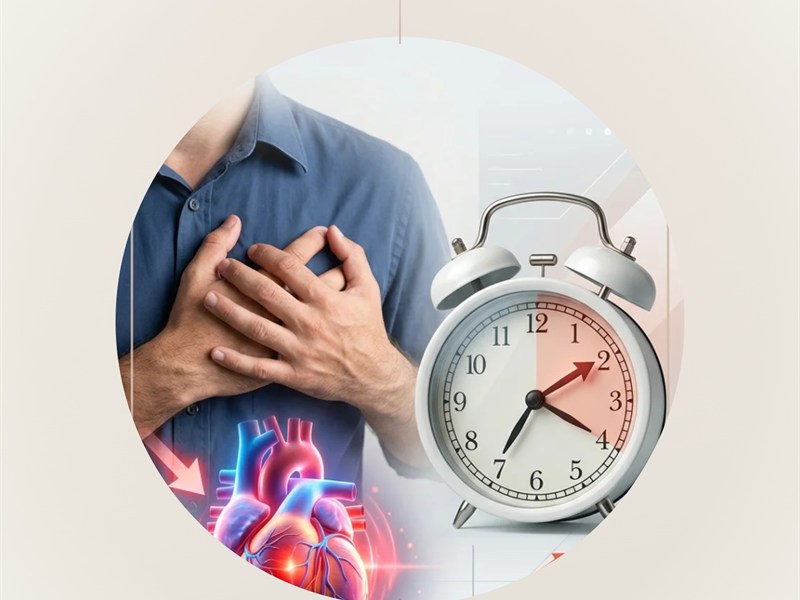
- Severe headache, vision changes, chest pain, or confusion — this can signal a hypertensive emergency, so seek care immediately
What should the patient ask the doctor
- "What's my target blood pressure range given my age and other conditions?"
- "Do I need medication now, or can lifestyle changes bring this down first?"
This article is for general education and isn't a substitute for a consultation. If your readings are consistently high or you have warning symptoms, speak to a doctor about further evaluation.